
How to Choose the Right Filter for Groundwater
A closer look at RO, UF, and UV so you can match a system to your water source.
Read more →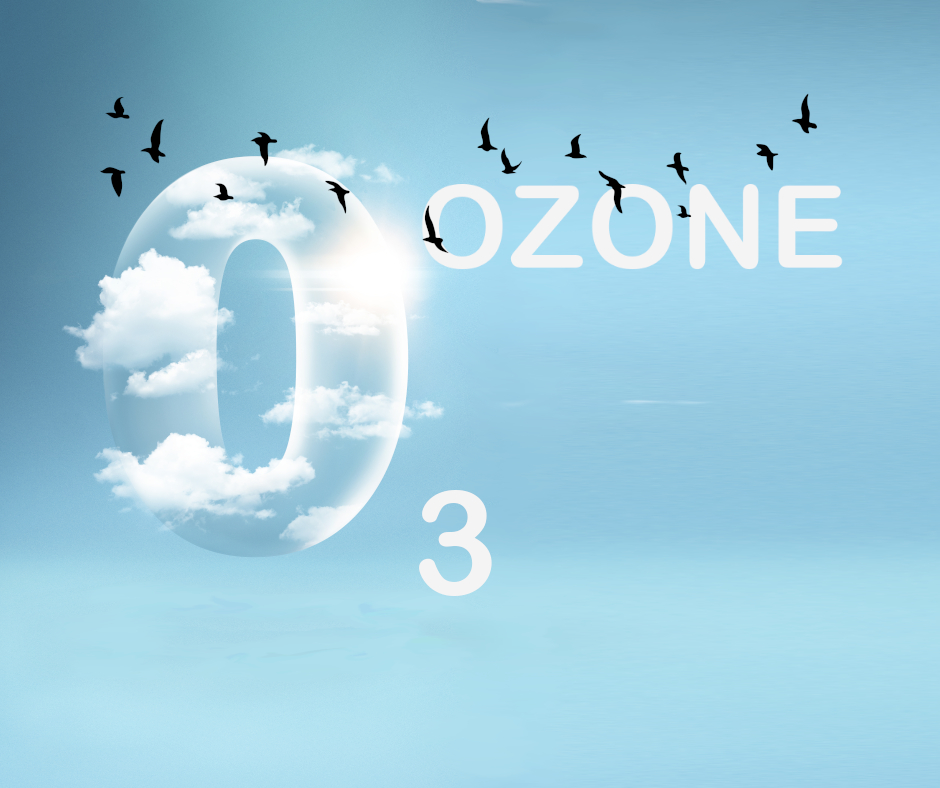
Understanding O3 gas and how it kills pathogens more safely than common chemicals.
Ozone (O3) is a form of oxygen with three oxygen atoms instead of the two we normally breathe. That third atom is what makes ozone unstable and highly oxidizing. When it comes into contact with the cell walls of bacteria, viruses, or fungi, it triggers an oxidation reaction that breaks down the cell structure and rapidly halts the pathogen's growth.
The key advantage of ozone sterilization over chlorine or other chemical disinfectants is that, once the reaction is complete, ozone breaks back down into ordinary oxygen within a short time. It leaves no chemical residue or odor in the water — unlike chlorine, which can leave behind taste, smell, and, in some cases, byproducts that may be harmful if used in the wrong concentration.
In home water systems, ozone generators are typically used as an extra layer of protection: injecting ozone gas into water, or sterilizing surfaces and air in enclosed spaces. This suits households that want added peace of mind around hygiene — homes with young children or elderly family members, or businesses that need to consistently sterilize large volumes of water or space.
That said, high concentrations of ozone can irritate the respiratory system if inhaled directly. Ozone generators should always be used in well-ventilated areas and operated according to the manufacturer's instructions, so you get the sterilization benefits without any side effects for the people using the space.